


Description
Discover this Renaissance gem and its connections to the Royal Monastery of Brou!
A Masterpiece Revealed in All Its Splendor
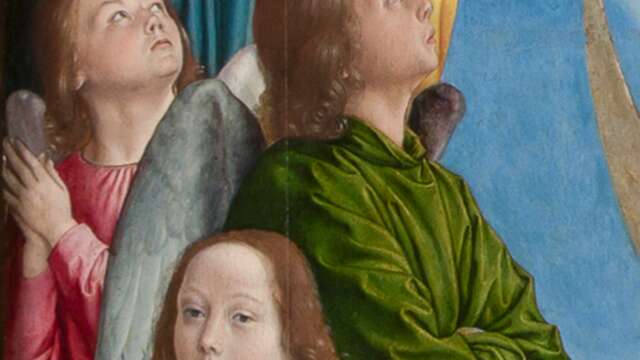
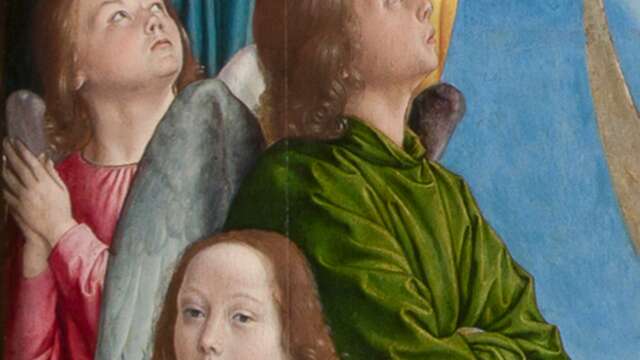
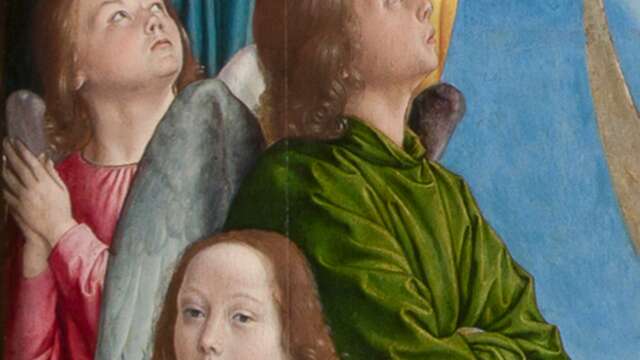
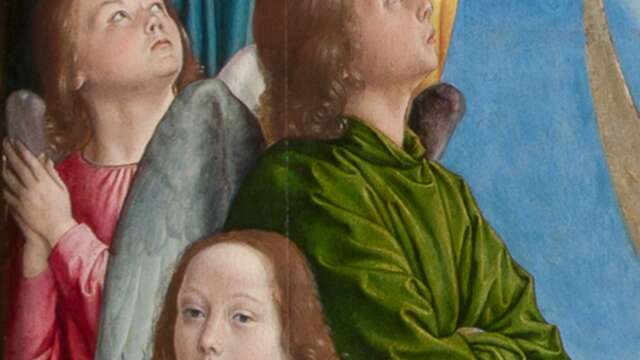
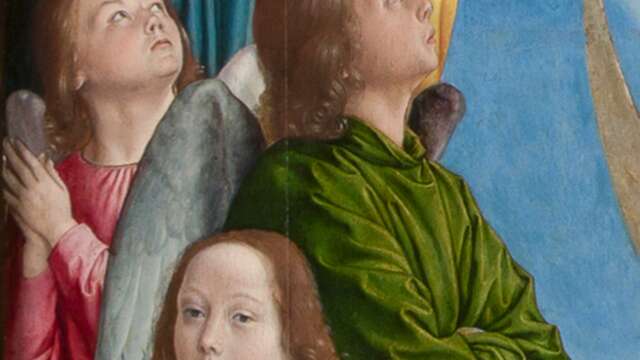
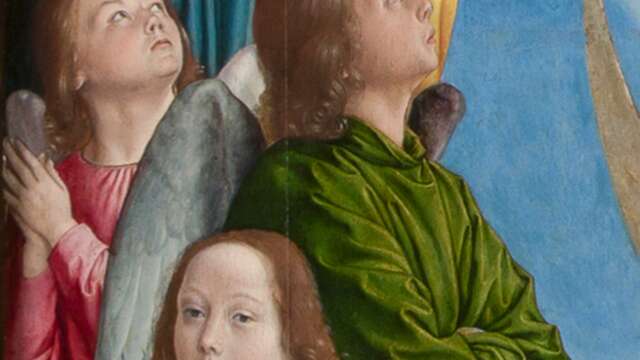
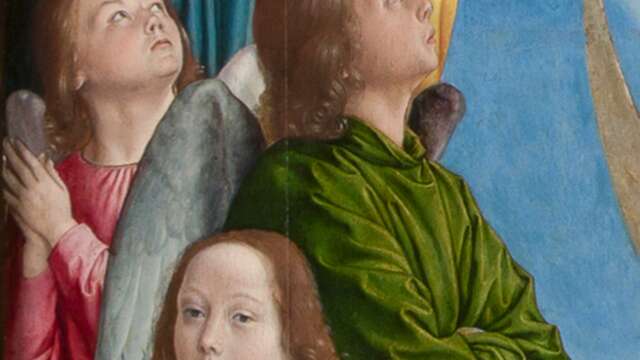
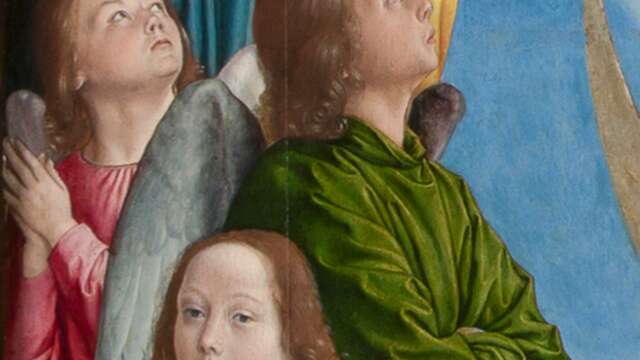
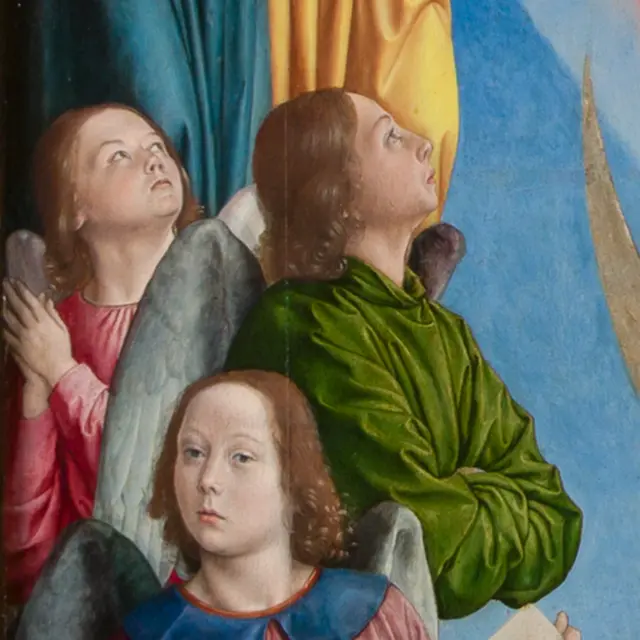
Following an exhibition at the Louvre, Jean Hey’s Triptych of the Virgin in Glory is now on display at the Royal Monastery of Brou. Painted around 1498 for Moulins Cathedral, this monumental painting—1.57 meters high by 2.83 meters wide with the panels unfolded—is one of the pinnacles of French Renaissance painting. After more than three years of study and restoration, the triptych commissioned from the artist by Anne of France and Peter II of Bourbon has regained the brilliance of its original colors. A documentary film traces the stages of this exceptional project, which visitors can discover as they explore the exhibition.
Jean Hey, the Long-Unrecognized Genius
For centuries, the triptych was attributed to the “Master of Moulins,” an unsigned masterpiece. A broad scholarly consensus has since identified its creator: Jean Hey, a painter trained in Ghent who worked for French patrons between 1475 and 1505. A master of Flemish painting techniques, he is renowned for the precision of his portraits and the psychological depth of his faces.
The exhibition brings together a rare overview of his work—from court portraits to religious compositions—gathered from across Europe specifically for the exhibition in Brou.
Two Renaissance masterpieces, one venue
Visiting Brou to see the triptych also means rediscovering the monastery in a new light. The two works share the same roots: the same family circle—the Bourbons—the same Flemish influences, and the generous patronage of a woman.
Anne of France, co-commissioner of the triptych, raised the young Margaret of Austria at court and passed on her love of the arts to her; Jean Hey, incidentally, painted the young princess’s portrait around 1490. Margaret of Austria, the future founder of the monastery, was also the daughter-in-law of Margaret of Bourbon, who was herself the sister of the triptych’s patron, Peter II of Bourbon.
What the exhibition reveals in the painting, the monastery expresses in stone, stained glass, and sculpture—a striking continuity between these two masterpieces of the same era.