From Revermont, in the foothills of the Jura Mountains, to the borders of Lake Geneva, this route invites both experienced and expert cyclists to discover the Ain mountains. A cycling journey dotted with unmissable mountain passes and guaranteed exceptional panoramas!
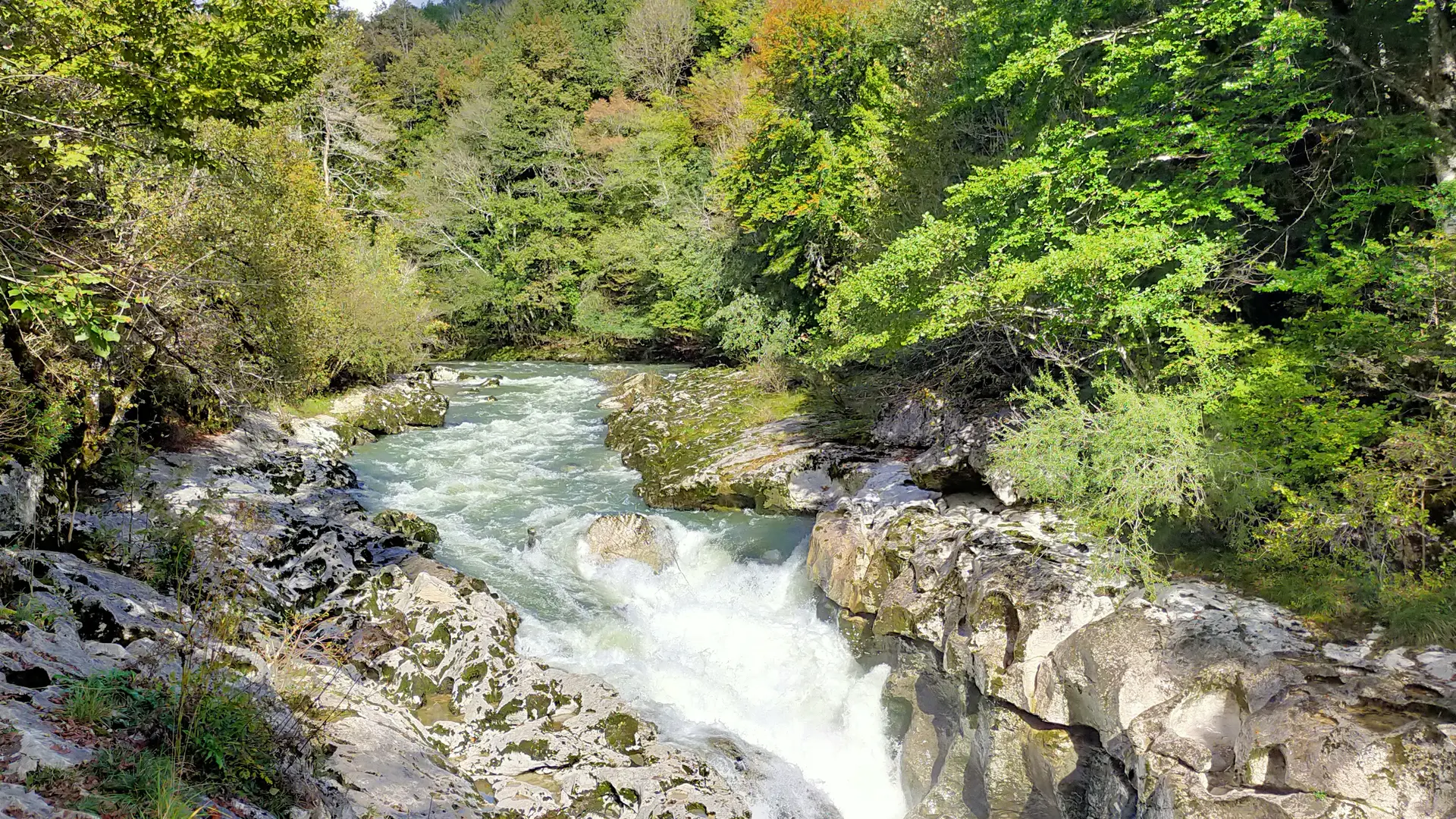
This Ain à Vélo itinerary, dedicated to cycling travellers, is suitable for both experienced and expert cyclists. You'll cycle through the Ain mountains, which you'll appreciate for their freshness in summer and magnificent colors in autumn. This 482 km route promises exceptional panoramas to contemplate, with climbs of unmissable passes to add to the cyclosportifs' list of achievements. A magnificent cycling journey from the Revermont, the first foothills of the Jura Mountains, to the borders of Lake Geneva, via the Ain gorges, karstic landscapes characteristic of Ain's natural heritage. Exceptional panoramas guaranteed!
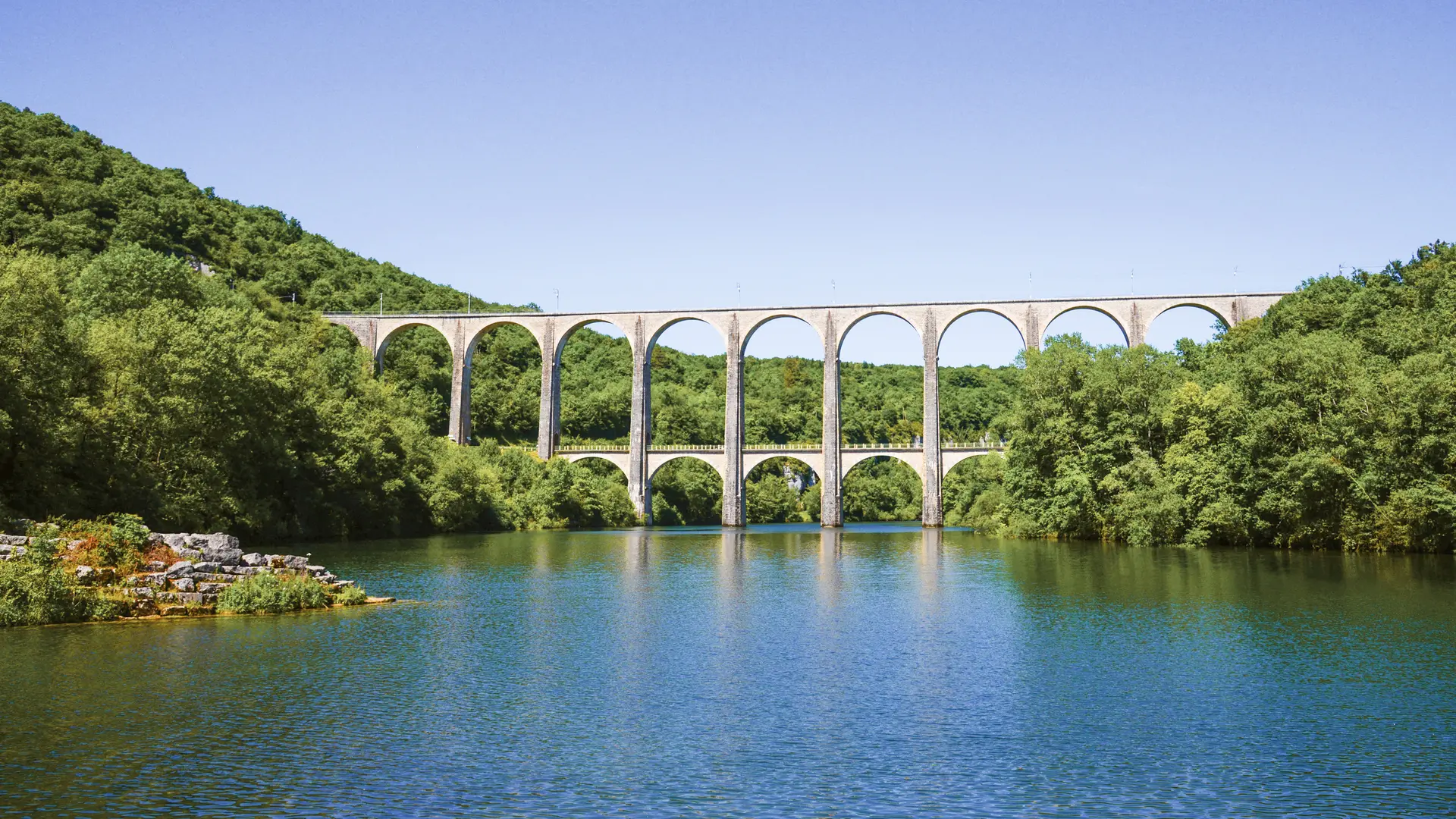
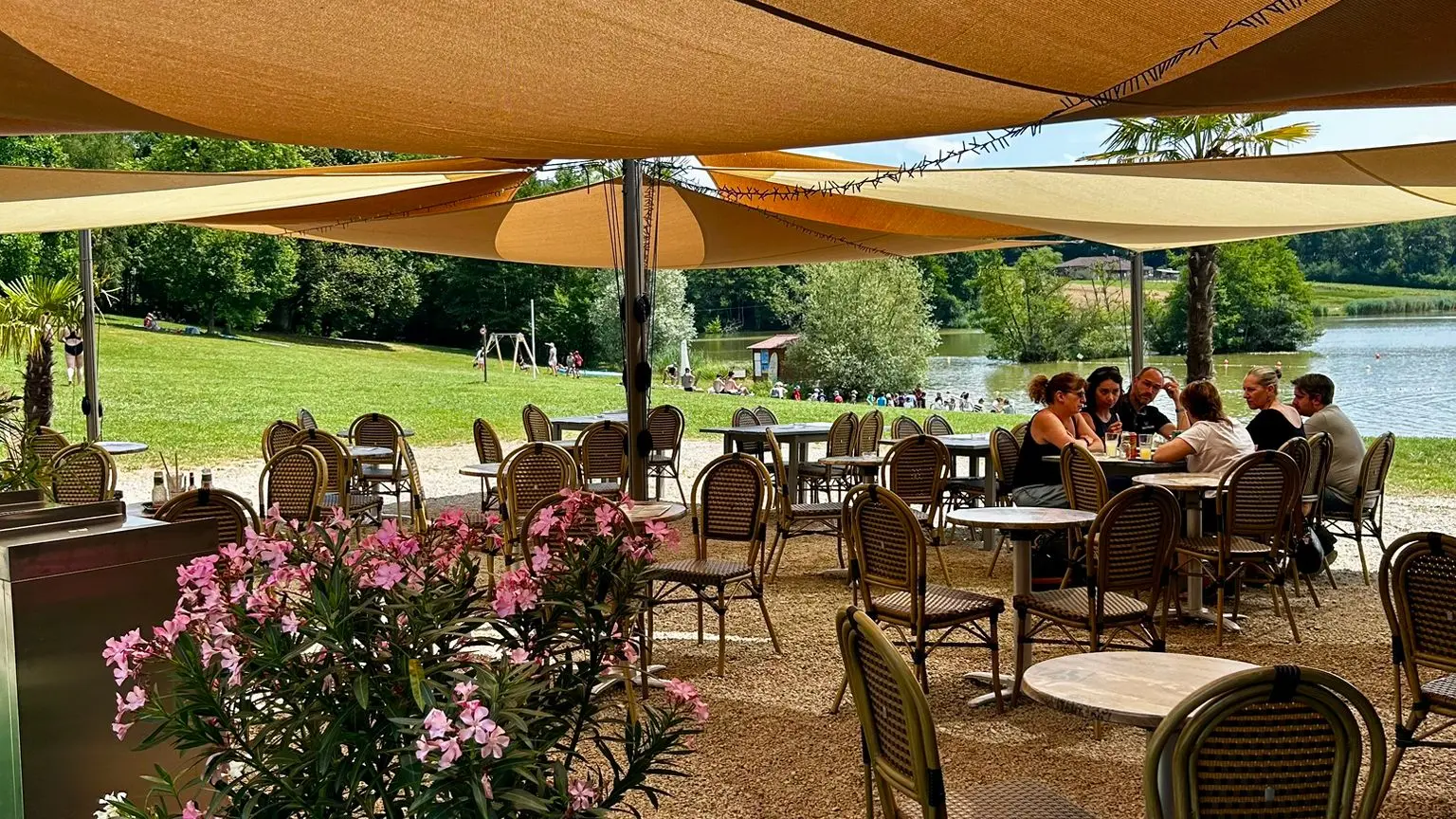
Day 1: Departure from the Base de Loisirs de la Grange du Pin in Cuisiat. Head for the Revermont villages of Cuisiat and Pressiat, which will take you to Montfleur, a typical Jura village with scattered settlements in a Natura 2000 zone. Continue on to Chavannes/Suran, Corveissiat and the Cize-Bolozon viaduct, a monumental structure dating back to 1872 that crosses the River Ain to Bolozon on the opposite bank. On to Nurieux, Volognat, Saint-Martin du Fresnes and Port on the shores of Lac de Nantua, a glacial lake of many colors and water sports, and the starting point of the Voie douce du Lange, which you'll follow to Oyonnax, the gateway town to the Haut-Jura Regional Park, renowned for its industrial know-how. You can also spend the night at the Nouvel Hôtel, which has the Accueil Vélo label.
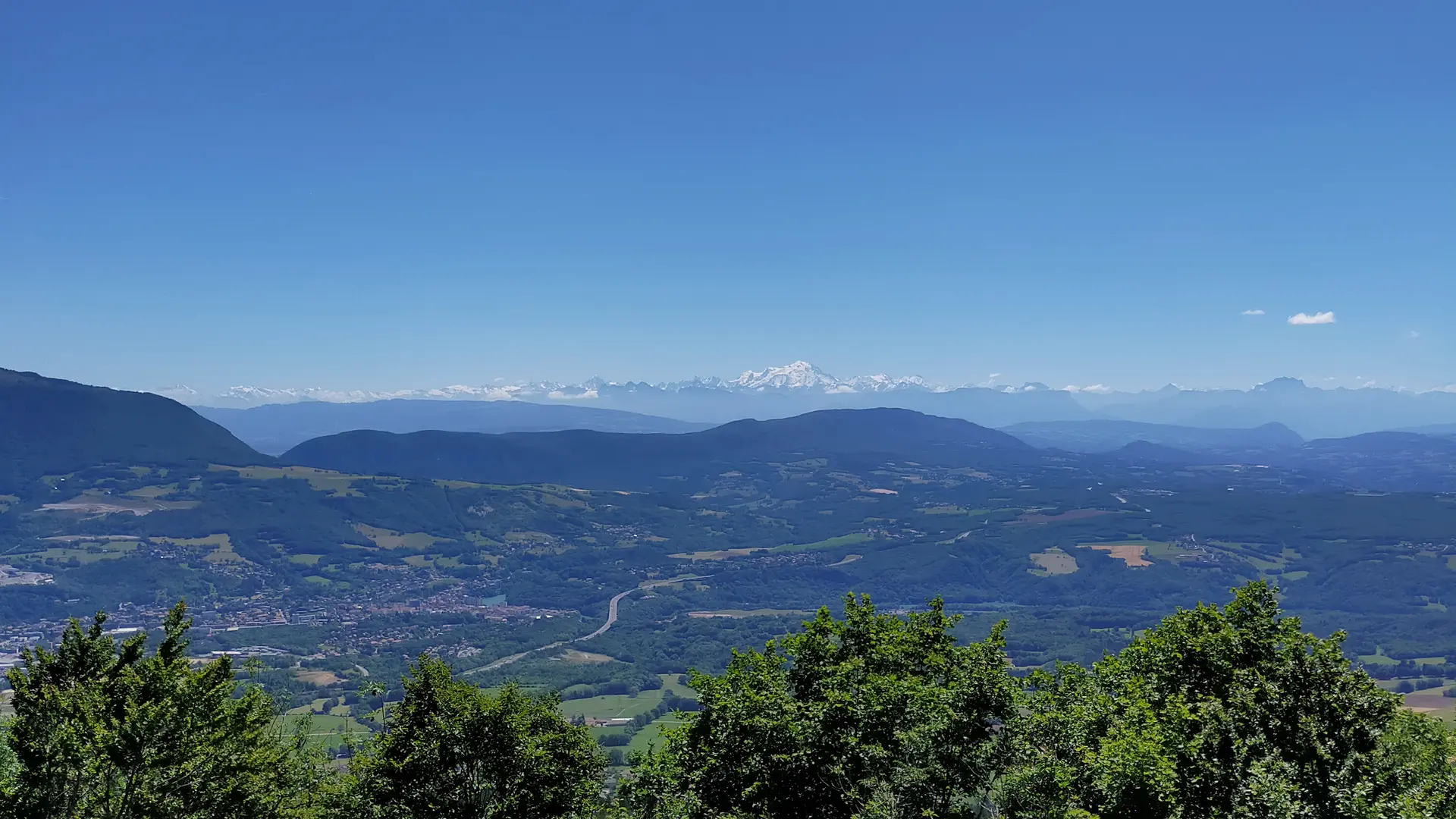
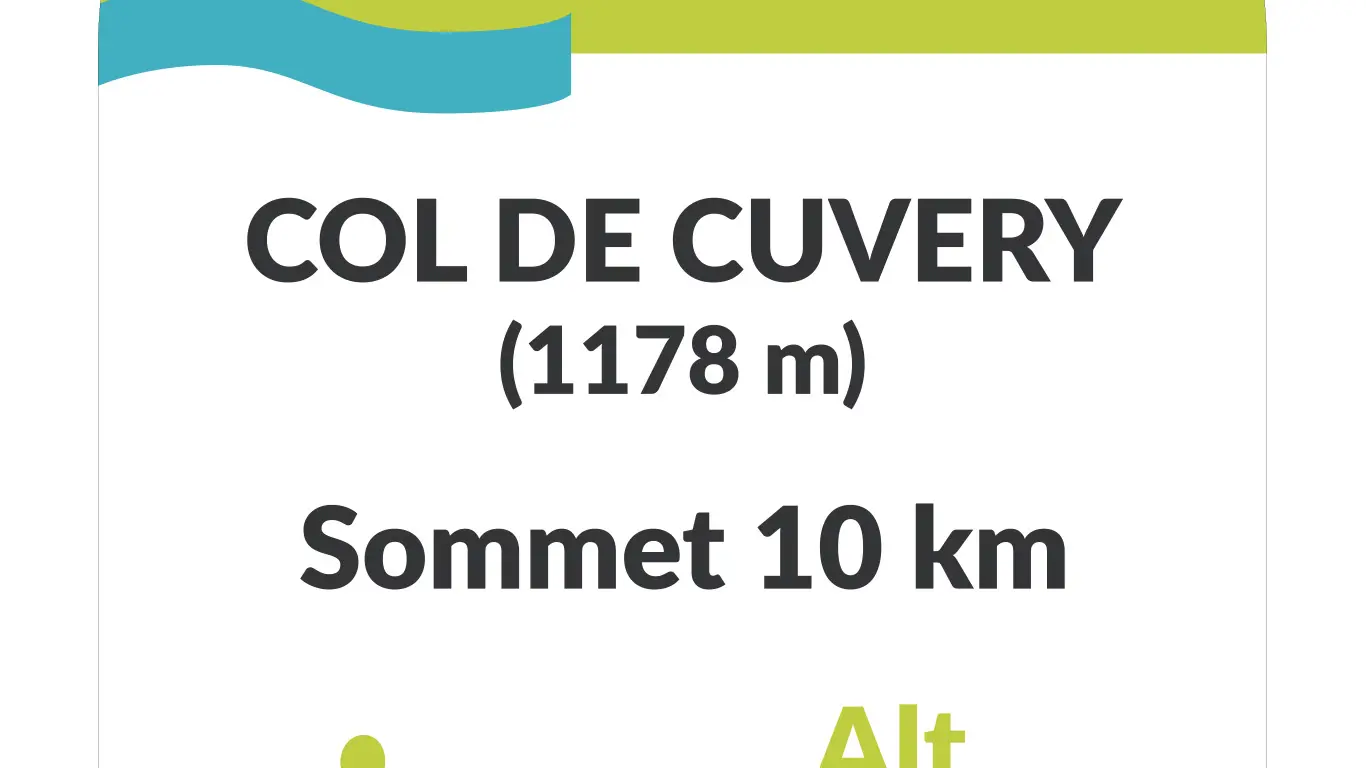
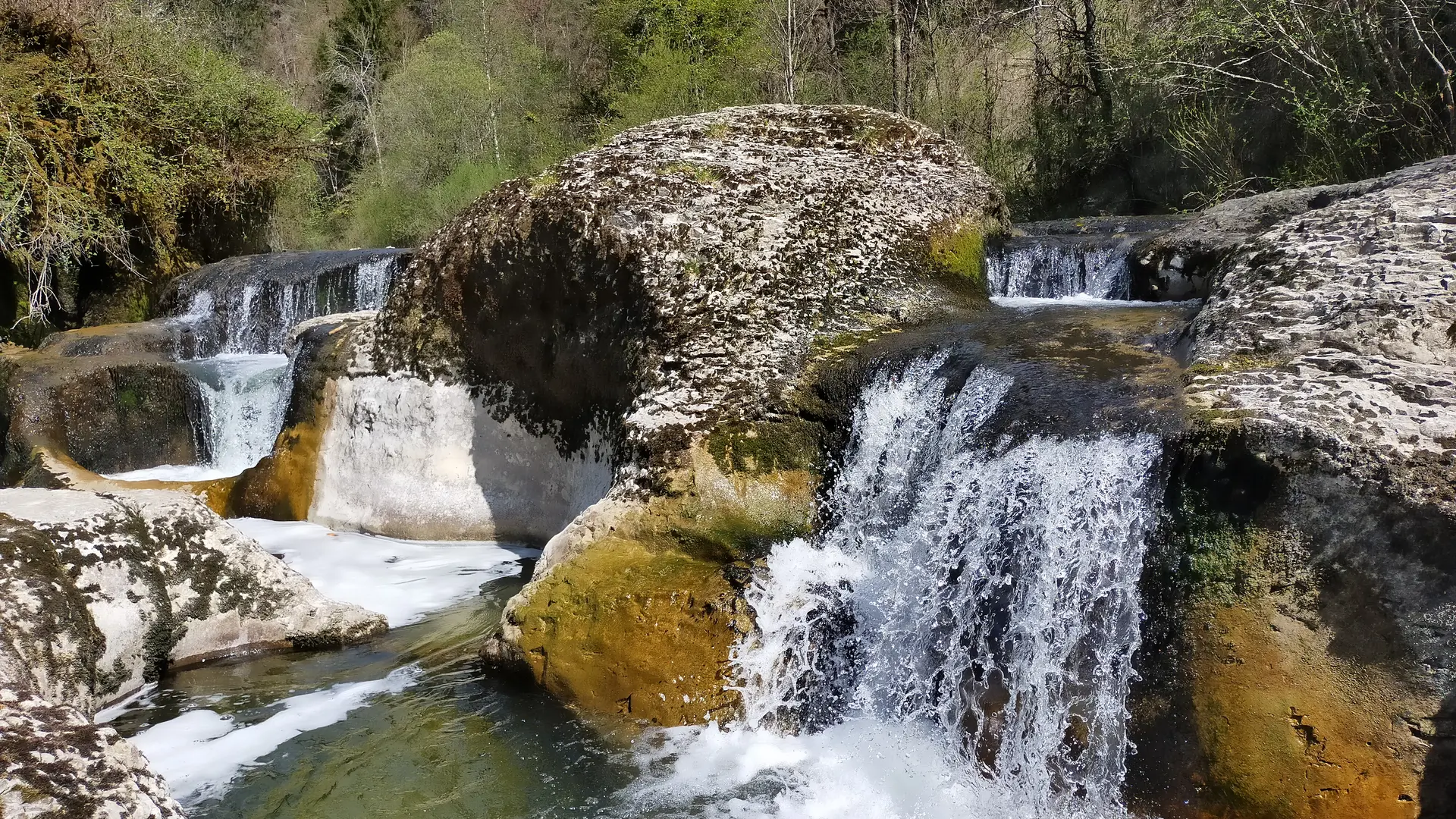
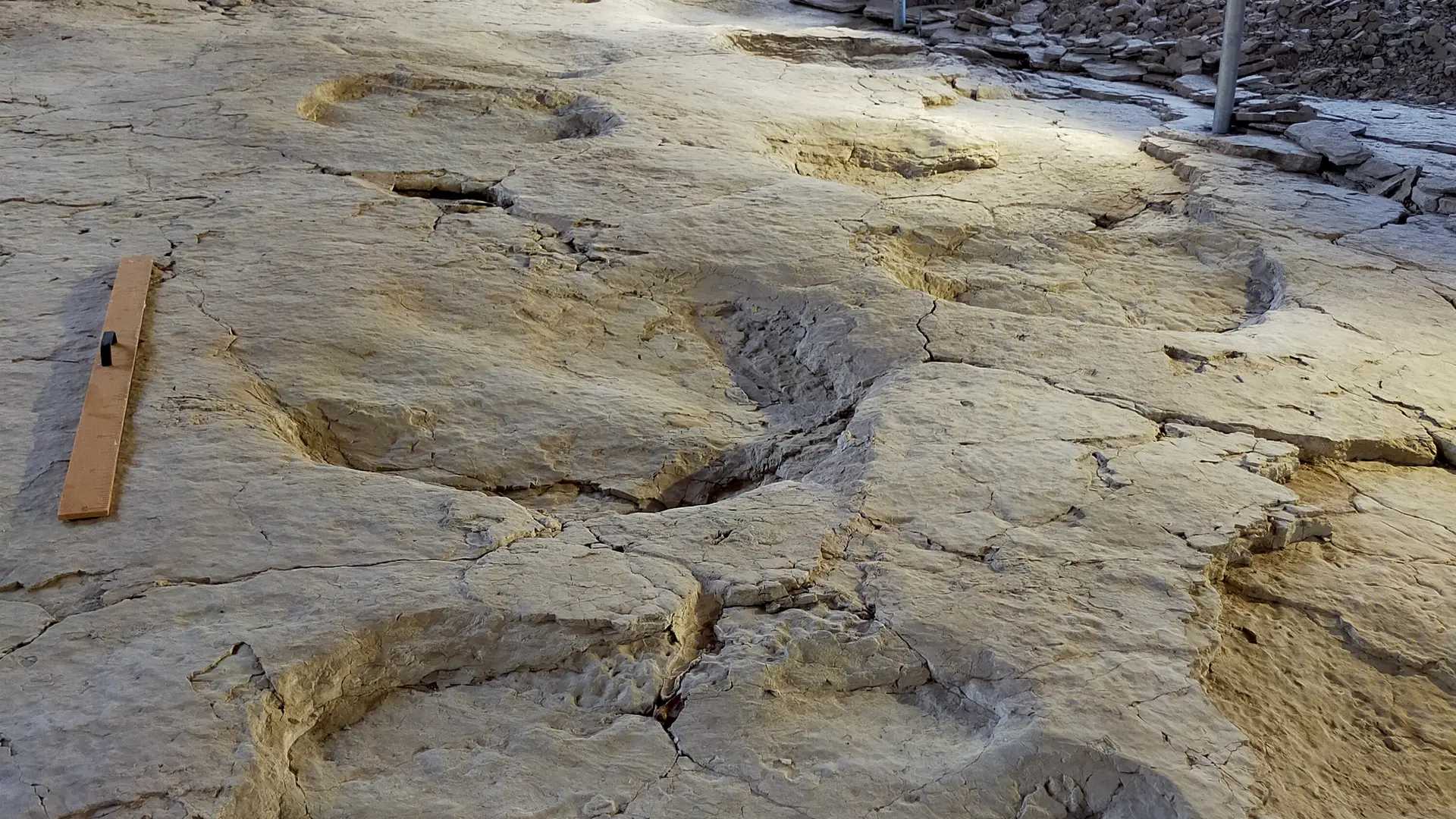
D2: You'll ride through the PNR du Haut-Jura towards Belleydoux and Echallon, high combes in the Jura Mountains, to Saint-Germain de Joux, famous for its giant potholes. Before reaching Saint-Germain de Joux, you'll pass Dinoplagne. Stop off to visit this exceptional site in the footsteps of the dinosaurs, which has been awarded the "Accueil Vélo" label. Then head for the Plateau de Retord, classified as a Natural Zone of Ecological, Faunistic and Floristic Interest (SNIEFF). You'll pass through the villages of Lalleyriat and Le Poizat, and over the Col de Bérentin (1,144 m). Continue on the D55 as far as "La Manche", then follow in the footsteps of the GTJ cyclo, which follows the Valserine valley, classified as a "Rivière Sauvage", towards the Col de Cuvéry (1,178 m - D+ 387 m - average gradient 3%). Nearby, the Catray lookout promises breathtaking views! Take a well-deserved break! Still on the GTJ bike route, you'll come back down through Vouvray, in the direction of Valserhône. Not to be missed before crossing Valserhône: the Pertes de La Valserine, a spectacular geological feature typical of karstic reliefs (access recommended from the parking lot on the RD 1084). for a well-deserved night's rest at the "Le Valserine" campsite, which has been awarded the "Accueil Vélo" label.
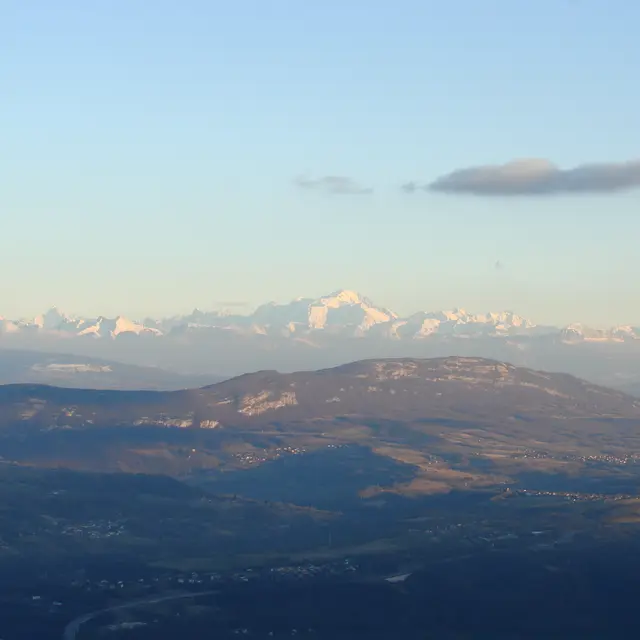
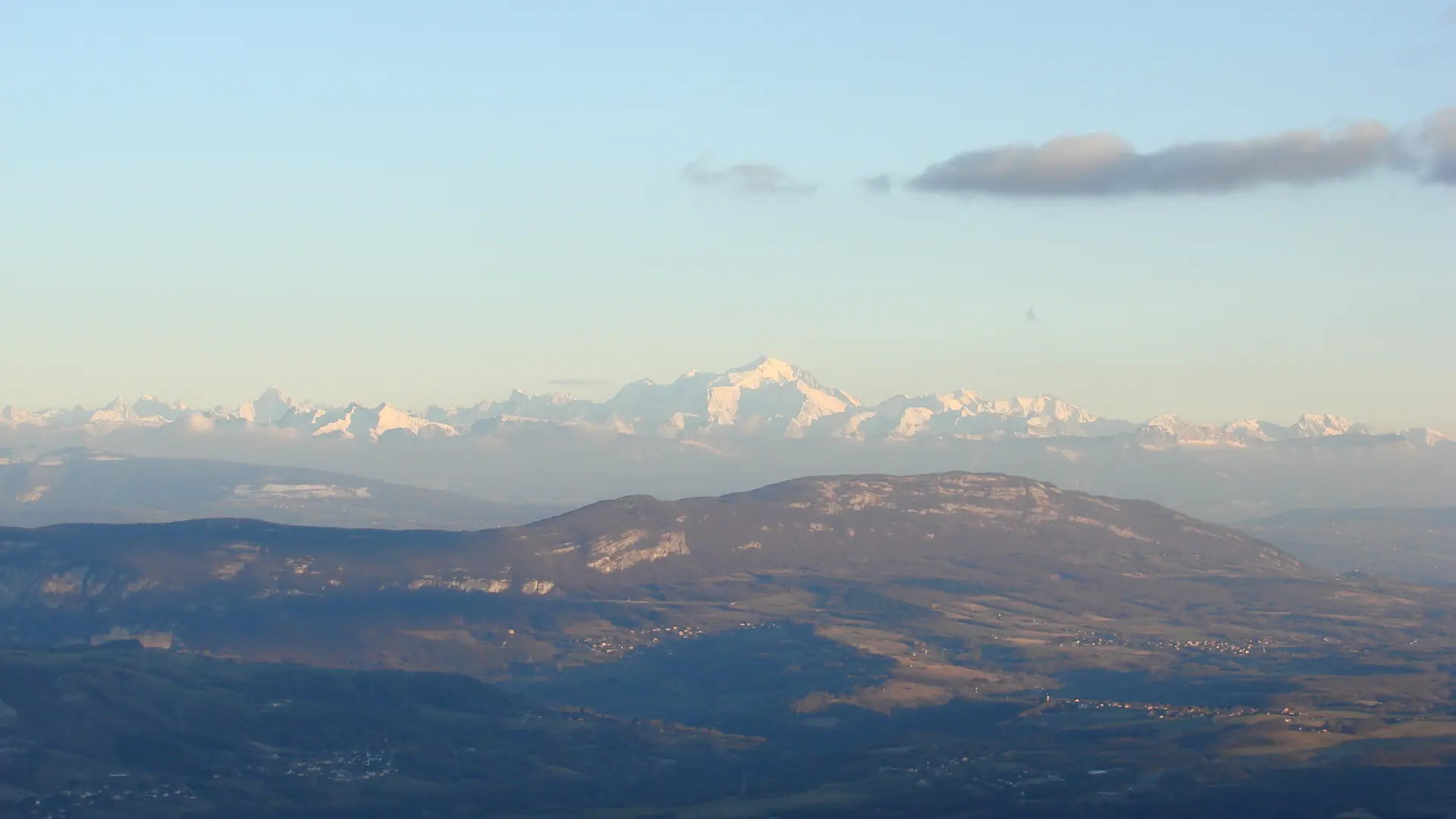
D3: You climb back up to Chézery via Lancrans and Confort, passing through the mountain villages of Lélex and Mijoux, the Monts-Jura resort and flagship of the massif, located in the heart of the Haute Chaîne du Jura Nature Reserve. You descend via the Col de La Faucille (1,323 m), a legendary Tour de France pass, where you can enjoy magnificent views of Mont Blanc, the Genevois region and Lake Geneva. Continue downhill to Gex, heading for Ferney-Voltaire, the last stopover before entering Swiss territory. Take time out to visit Voltaire's château, which has been awarded the "Maison des Illustres" label, and stroll through the streets of the town center, a dormitory town that can accommodate you for the night at the Campanile Genève Ferney-Voltaire or the F1 Genève Ferney Airport.
Day 4: Switzerland. Once you've crossed the border, take the "Route du pied du Jura" loop No. 50 to join Le tour du Léman (No. 1) and pick up ViaRhôna (Euro Vélo 17 du Léman à la Méditerranée) in Geneva. Plan a stopover in Geneva to visit its old town with its famous Jet d'eau. Continue on ViaRhôna, following the Rhône to Seyssel (approx. 60 km), with an overnight stop at the Camping du Haut-Rhône (Dpt 74), which has the Accueil Vélo label.
D5 : You'll be back on the ViaRhôna, which you'll leave at Ruffieux to reach Culoz, with its rich historical (Château de Montvéran) and industrial (CIAT, Serpollet brothers - forerunners of the automobile) heritage. Continue towards Ceyzérieu to the Aignoz hamlet, where you enter the Marais de Lavours Nature Reserve (ENS), one of the last large continental marshes in Western Europe, with its remarkable flora and fauna, accessible all year round on a 2 km stilt path. On the way, you'll pass through the charming wine-growing village of Vongnes, home to the Musée des Traditions Vigneronnes, and Marignieu, renowned for its sparkling wine; both of which benefit from the Bugey AOC, you'll be able to discover the IGP coteaux de l'Ain wines, including the famous Marc and Fine du Bugey...always to be consumed in moderation! Then on to Belley, birthplace of the famous gastronome Brillat-Savarin, author of the "Physiology of Taste". Take time to wander the narrow streets and stroll through the town center to discover the cathedral, the episcopal palace and stay the night at the Hôtel Sweet Home, which has been awarded the "Accueil Vélo" label.
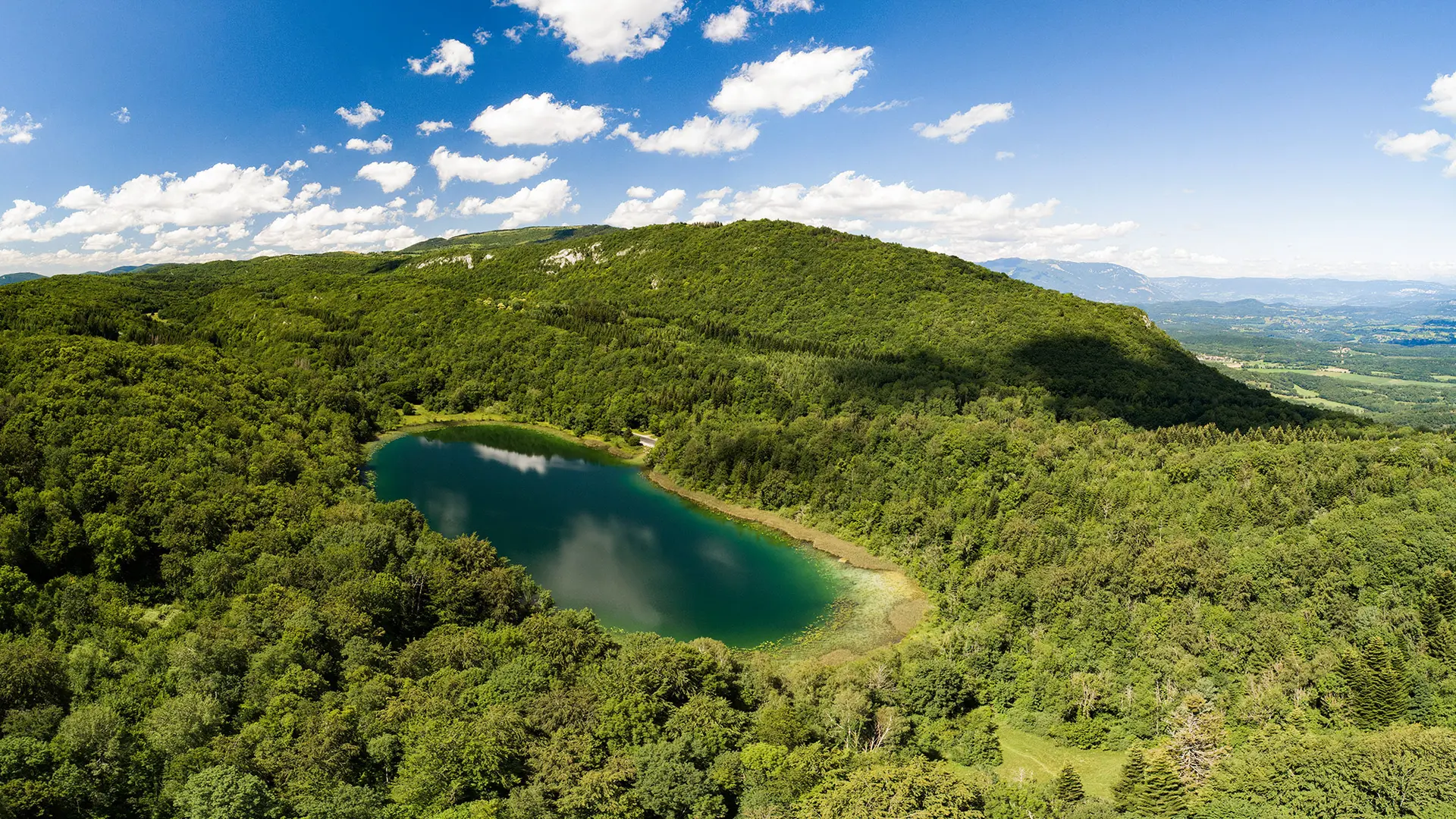
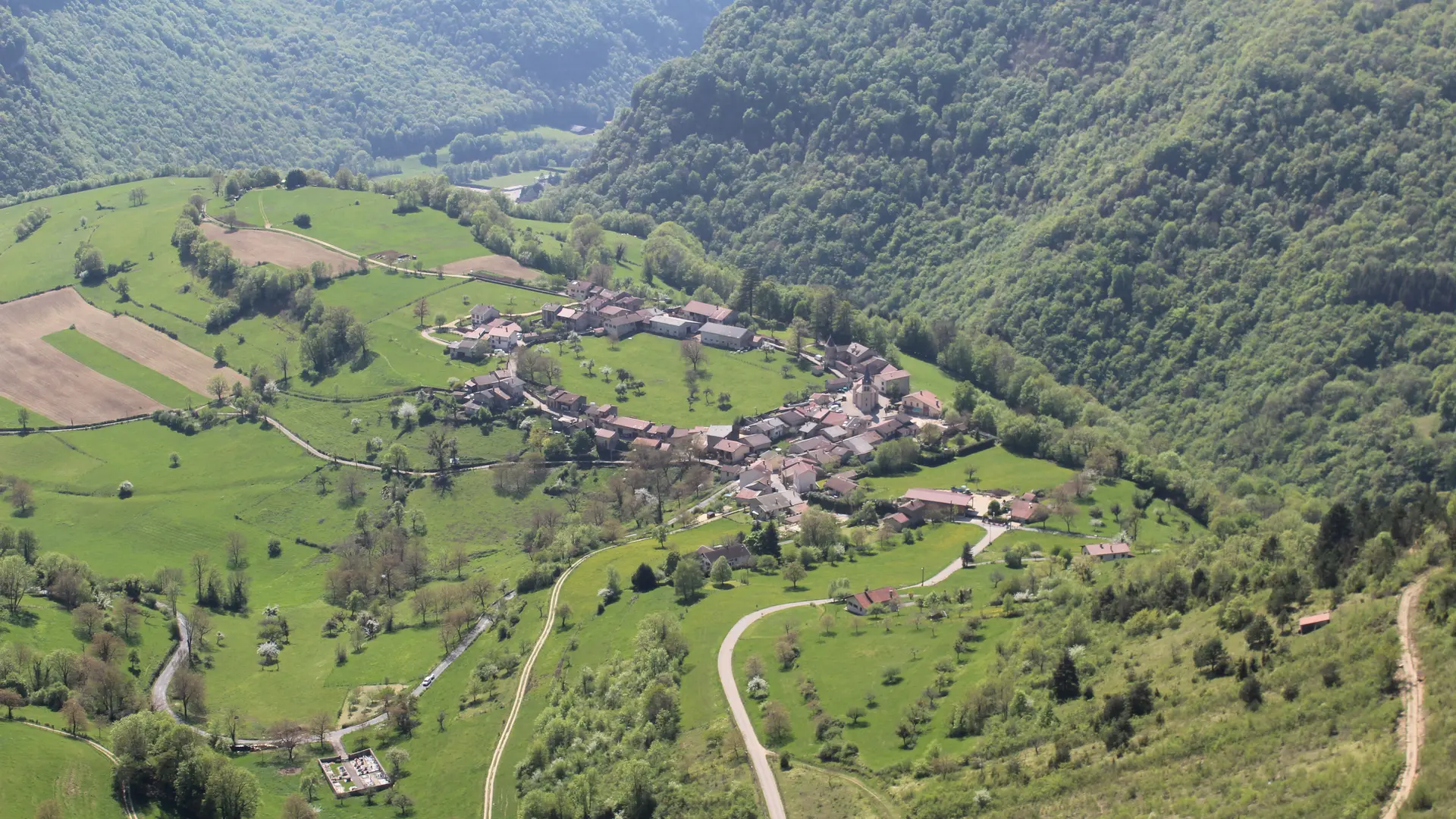
D6: Head for the Mollard de Don, via Arbignieu and Ambléon, where we recommend you take the time to stop off at the lake, a little gem with ENS (Espace Naturel Sensible) status, before climbing the Col des Fosses (745 m), with its view of the Alps and the Dent du Chat. You'll continue on to Innimond and then Ordonnaz, typical Bugey villages, each with its own communally-owned communal oven, now the venue for the "Fêtes du Four", a convivial gathering of wood-fired breads and tarts. Continue towards Saint-Rambert en Bugey via Souclin and Cleyzieu. Departing from Saint-Rambert en Bugey, the most courageous can tackle 2 passes: the Col d'Evosges (759 m - 6, 8 km - D+ 463 m - 8.8% gradient), offering a magnificent view of the round village of Oncieu, and the Col de Portes (1,010 m - 15 km - D+ 728 m - 4.6% gradient), one of the highest in the region, won by Richard Virenque in the 2003 Tour de France. After the effort, the comfort with a stopover for the night at the Abbaye collective accommodation in Saint-Rambert en Bugey, labeled Accueil Vélo.
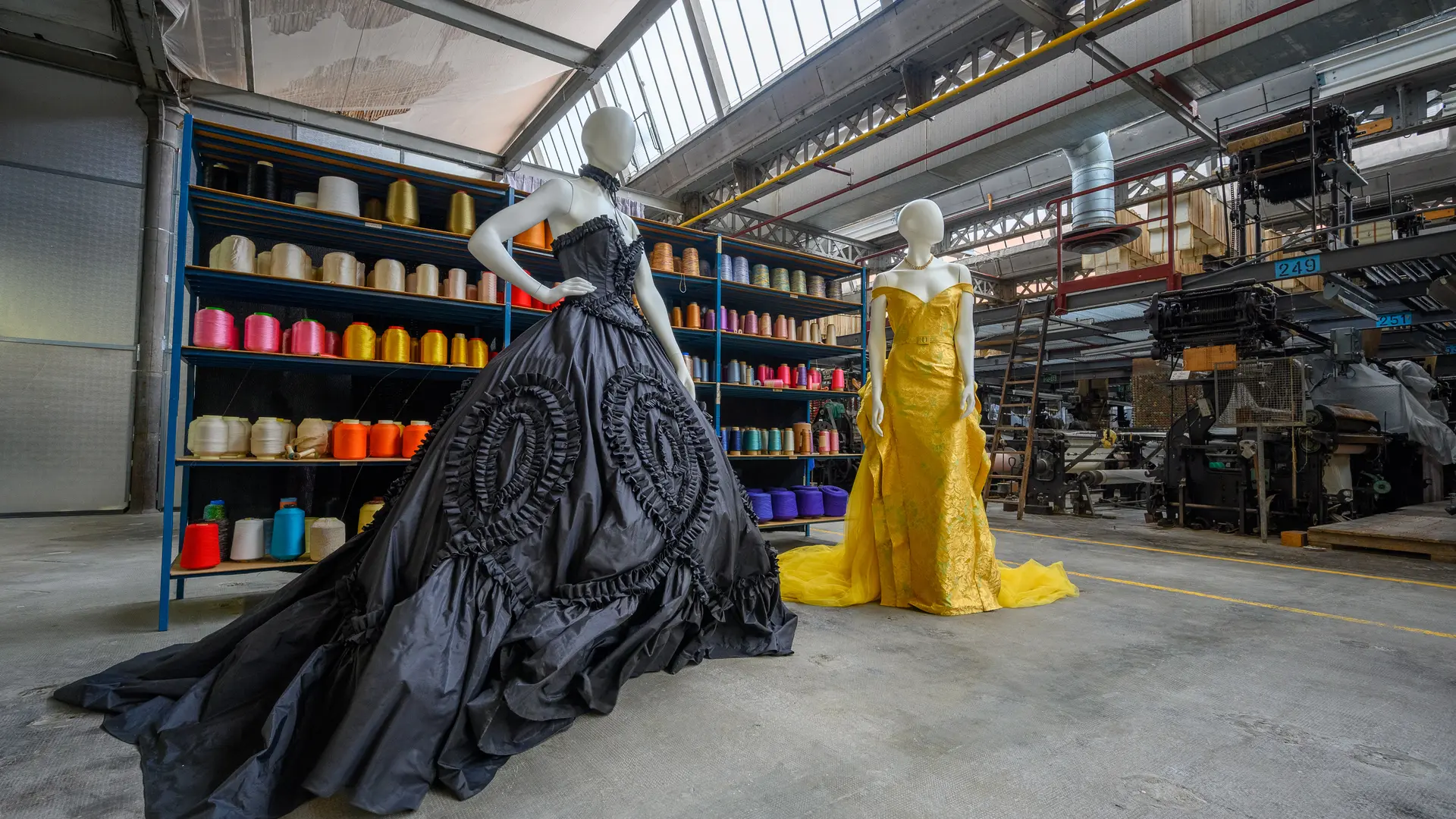
D7 : Last stage: you set off again for l'Abergement de Varey to Jujurieux, home to the Bonnet Silk Museum, a reminder of a textile industry of excellence, one of the largest silk factories in Europe, with a 200-year history. Continue on to the village of Poncin to reach Hautecourt-Romanèche. On your way, you'll come across the island of Chambod-Merpuis, a must-see site of unspoilt nature on the banks of the River Ain, ideal for a break! Continue on to the villages of Grand Corent, Villereversure, Ramasse and Drom, famous for its Comté and Clon cheeses, where you can stock up on local produce. Saddle up for the home stretch via Jasseron, Meillonnas, Val-Revermont and Cuisiat.
You'll have completed this 482 km loop with your eyes full of memories... and your calves!
And you've added 4 cols to your list of achievements. Congratulations!
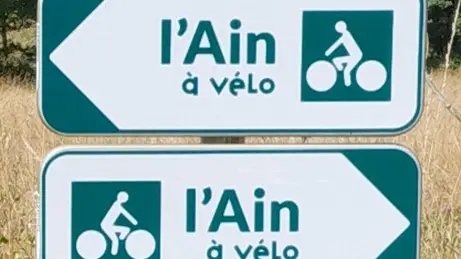
L'Ain à Vélo signs line selected routes on low-traffic roads. Remain vigilant, you're sharing the road with motorists!
Safety instructions :
- Children under 12 must wear helmets, bike gloves and sunglasses.
- Reflective safety vests must be worn outside built-up areas and at night or in bad weather.
- Make yourself visible in all circumstances to reduce the risk of accidents.
- Do not wear any sound-emitting device (headphones, earphones, telephone, etc.) on your ear.
- Cyclists must apply the rules of the Highway Code to ensure their own safety and that of other road users. Mutual respect between cyclists and motorists.